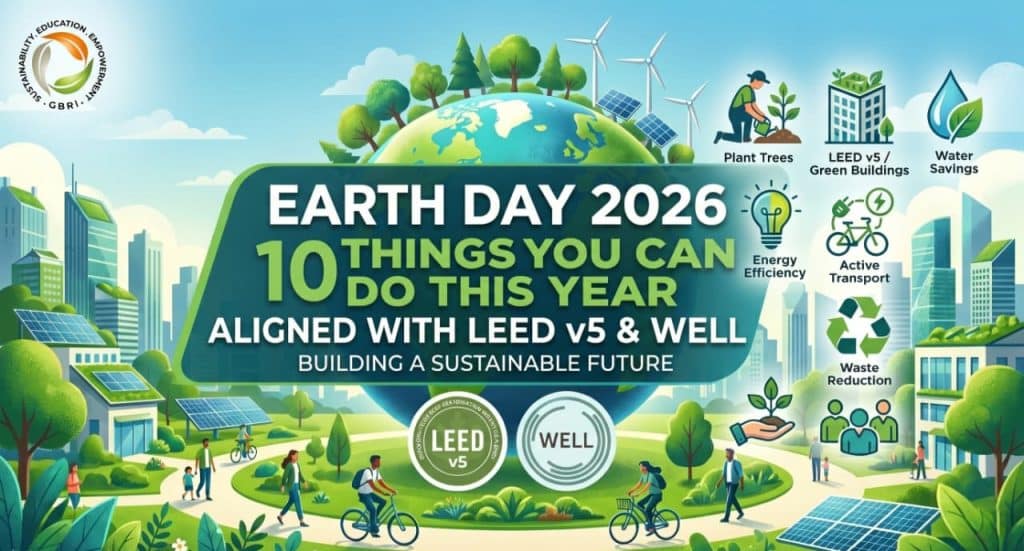
Earth Day 2026: 10 Things You Can Do This Year—Aligned with LEED v5 and WELL!
Earth Day is often a moment of reflection.
But in 2026, it’s more than that—it’s a moment for action.
With LEED v5 and WELL continuing to shape how we design, build, and operate spaces, sustainability is no longer abstract. It’s measurable, actionable, and deeply connected to how we live and work every day.
So instead of asking “What does sustainability mean?”
Let’s ask a better question:
What can we do—this year’s Earth Day 2026—that actually makes a difference?
Here are 10 practical actions aligned with LEED v5 and WELL that individuals and professionals can start implementing today.
1. Think in Outcomes, Not Just Actions
Shift from:
❌ “What can I do?”
to
✅ “What impact will this create?”
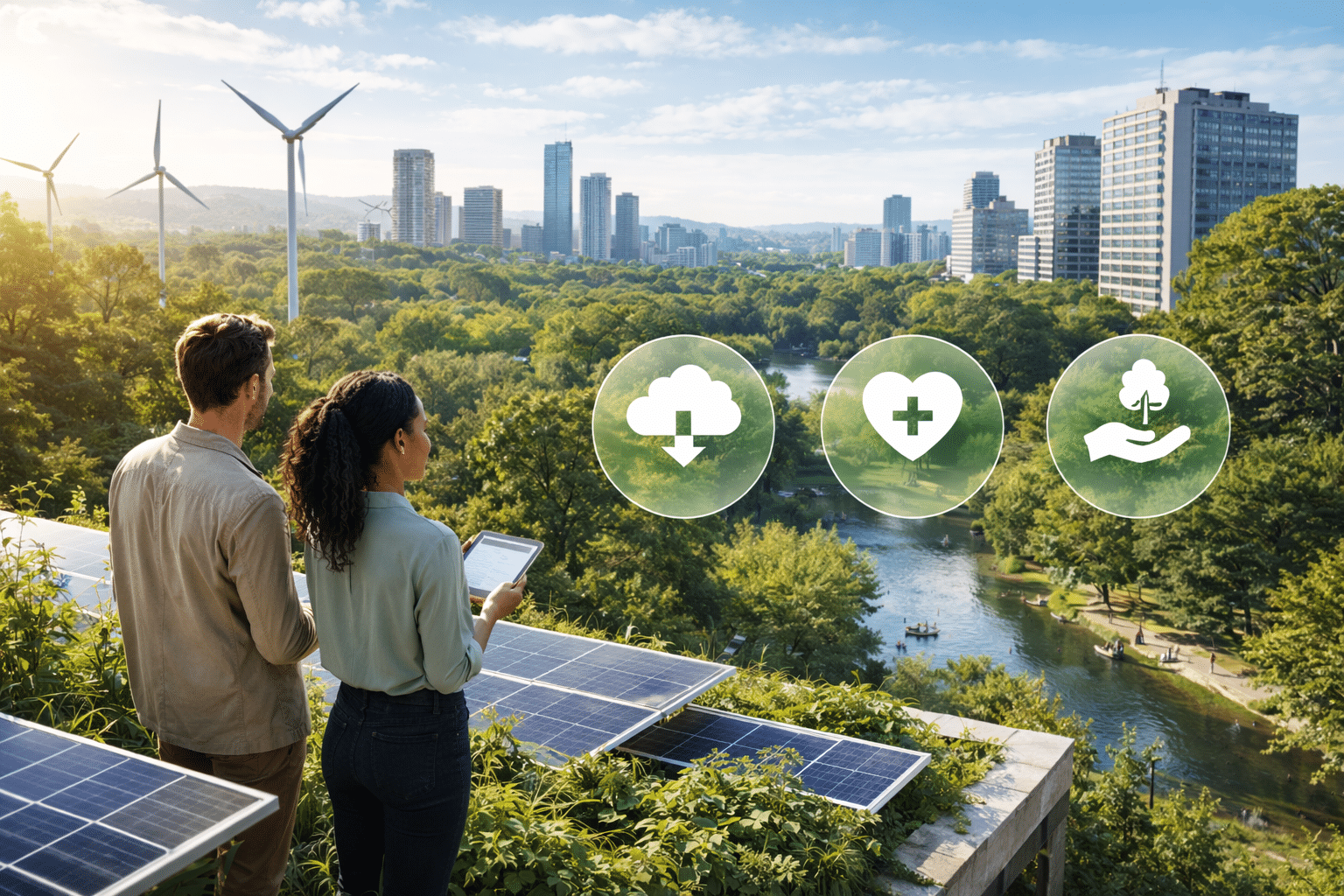
Focus on:
• Carbon reduction
• Human health
• Ecosystem restoration
Why this matters:
LEED v5 is structured around impact areas—decarbonization, quality of life, and ecological conservation—rather than isolated credits. This shifts decision-making toward measurable outcomes across the entire project lifecycle. At the same time, WELL v2 (and the evolving One WELL framework) reinforces a similar outcome-based approach, with a strong focus on human health, well-being, and equity. Together, these frameworks encourage professionals to think beyond individual actions and instead align decisions with broader environmental and human-centered goals.
2. Reduce Energy Demand Before Adding Technology
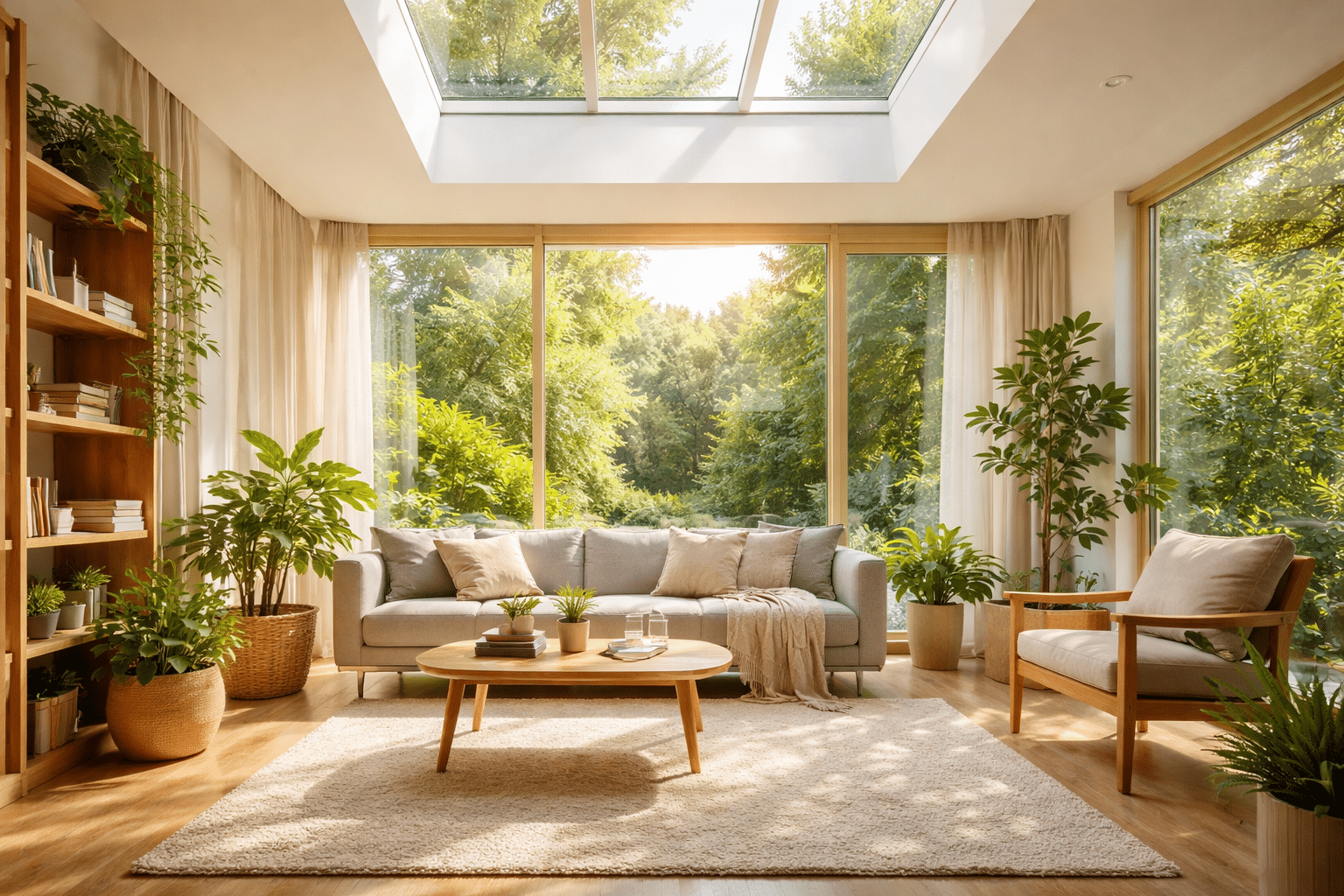
- Use daylight
• Improve insulation
• Optimize layout
The cleanest energy is the energy you don’t use.
Why this matters:
LEED v5 prioritizes efficiency before electrification and renewables. Passive strategies—like orientation, shading, and envelope design—reduce long-term energy demand and improve occupant comfort, aligning with both LEED and WELL performance goals.
3. Be Mindful of Materials
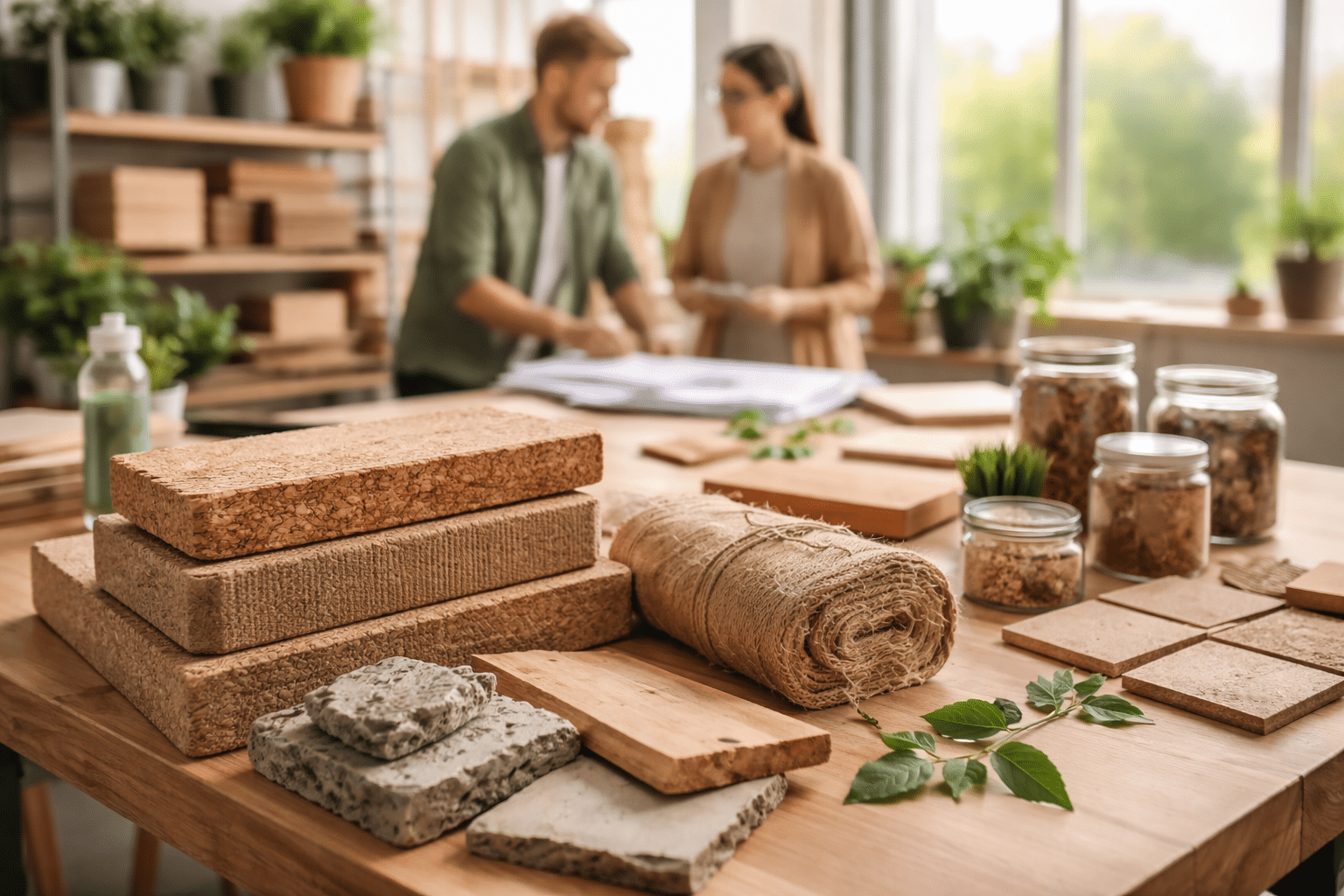
(Embodied Carbon + WELL Materials)
- Choose low-carbon materials
• Reuse where possible
• Ask for EPDs and HPDs when relevant
Even small choices matter—especially at scale.
Why this matters:
A large portion of a building’s carbon footprint is locked in before it is even occupied. LEED v5 introduces embodied carbon measurement as a prerequisite, making material selection a critical early decision that influences both environmental impact and long-term performance.
At the same time, WELL v2 places strong emphasis on material health and transparency, encouraging the use of products that support occupant well-being. This includes selecting materials with Health Product Declarations (HPDs) and avoiding harmful chemicals that can impact indoor air quality.
Together, LEED v5 and WELL push teams to think beyond performance alone—toward materials that are both low-carbon and healthy for people, reinforcing a more holistic approach to sustainable design.
💧 4. Treat Water as Energy
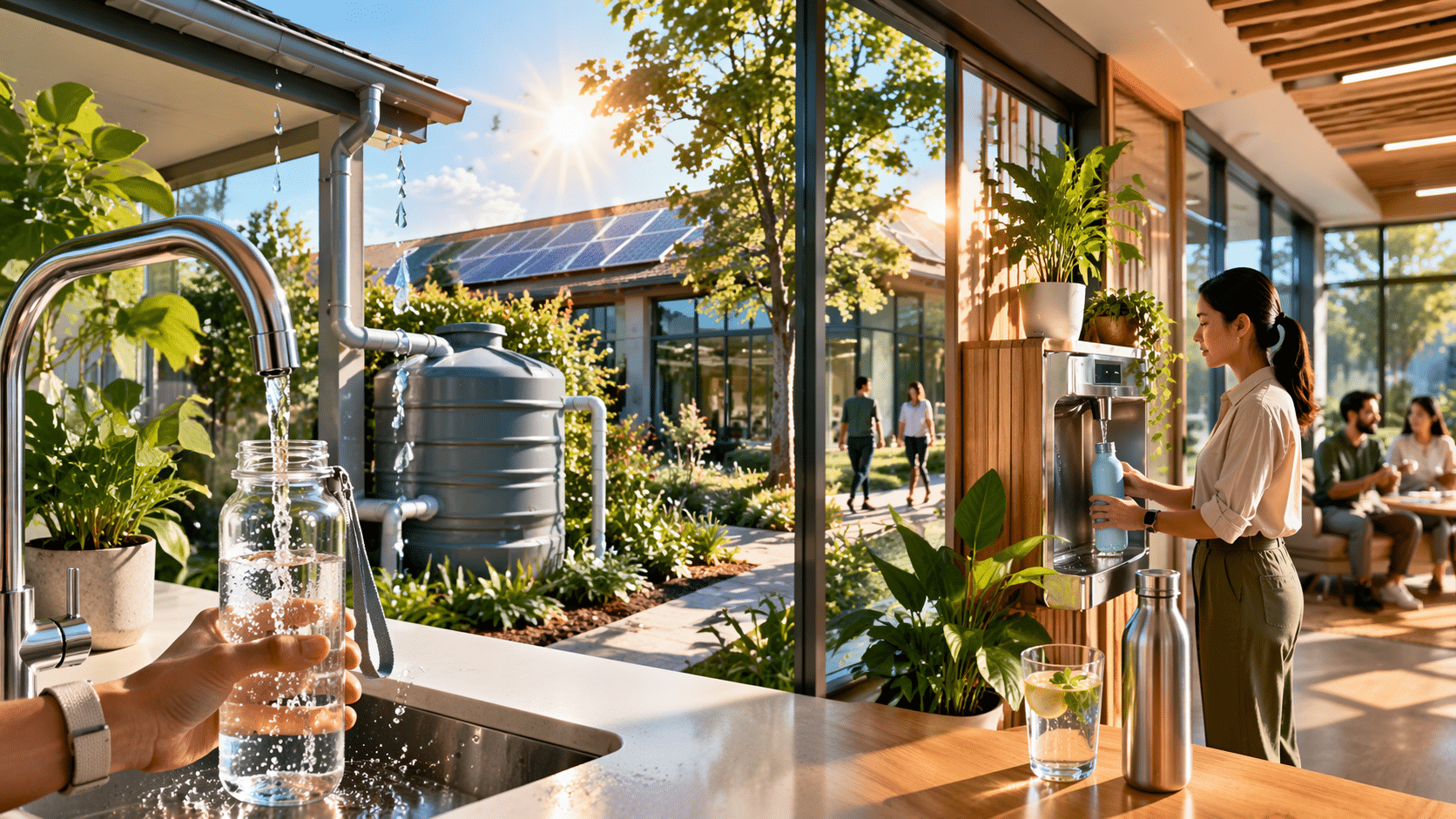
Reducing water use also reduces:
• Heating energy
• Pumping energy
• Treatment energy
Water efficiency = climate action.
Why this matters:
Water systems are energy-intensive, yet often overlooked in carbon discussions. LEED v5 explicitly connects water efficiency to decarbonization, recognizing that reducing water demand also lowers energy use across treatment and distribution systems.
From a WELL perspective, water is also directly tied to human health and daily behavior. Access to clean, high-quality drinking water and promoting hydration in workplaces can reduce reliance on bottled beverages and improve overall well-being.
By combining efficient water use with a focus on water quality and accessibility, projects can reduce environmental impact while supporting healthier, more sustainable habits for occupants.
5. Rethink Transportation
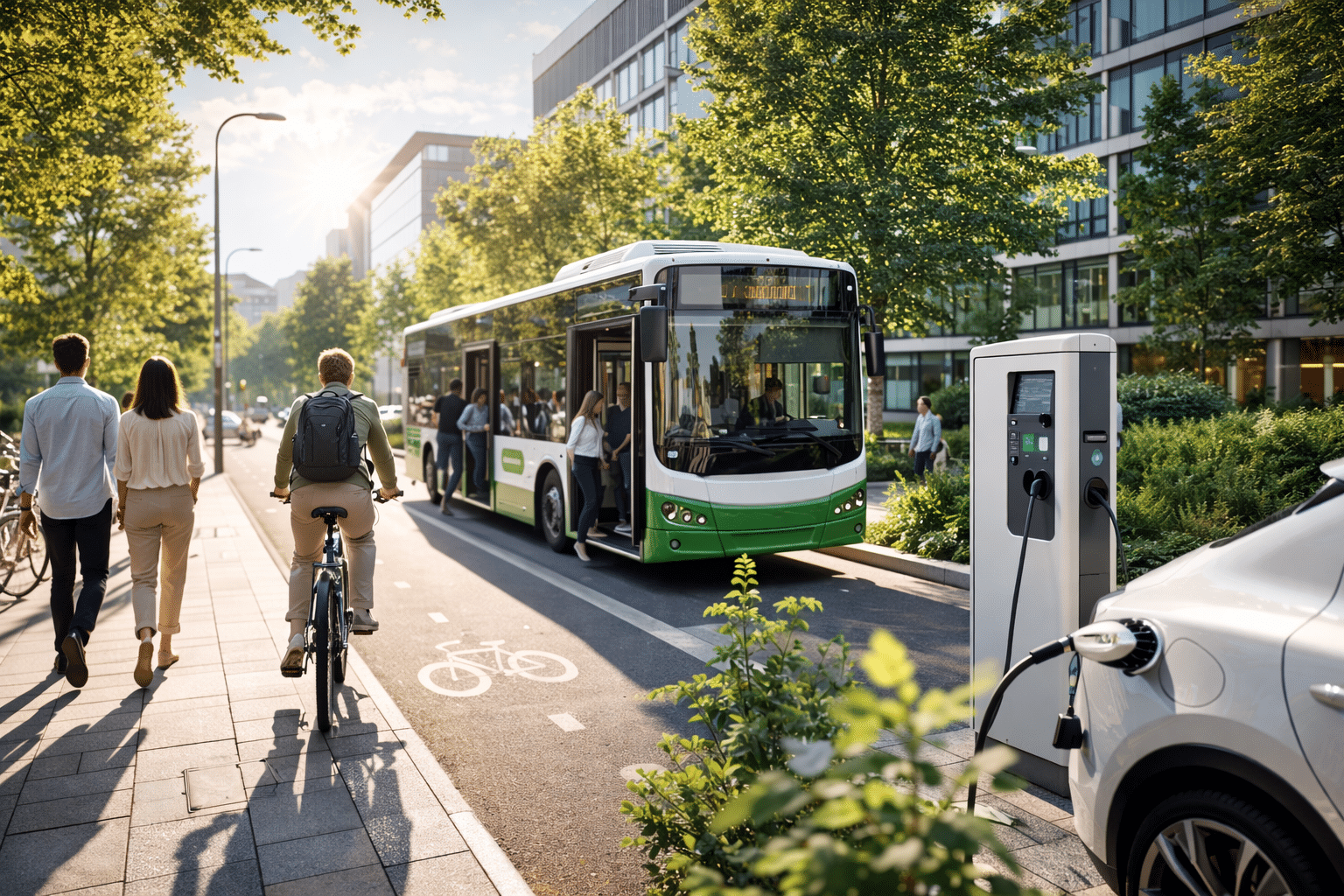
- Walk or bike when possible
• Use public transport
• Support EV infrastructure
Buildings don’t just emit carbon—commutes do too.
Why this matters:
Transportation emissions can rival or exceed operational emissions for many projects. LEED v5 emphasizes location, connectivity, and mobility, while WELL promotes active movement—making transportation a shared responsibility across design and behavior.
🌿 6. Bring Nature Into Daily Spaces
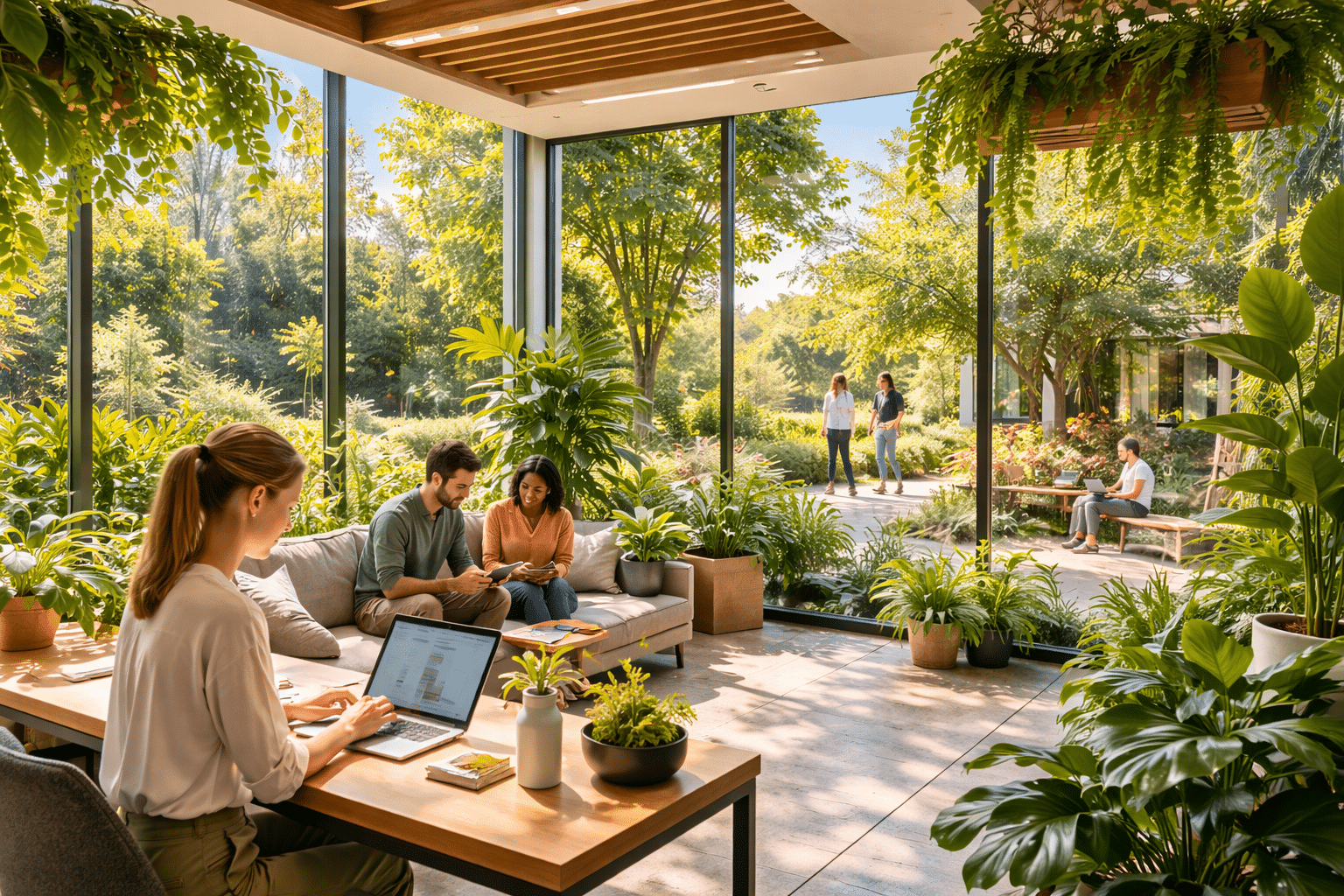
(Biophilia + WELL + SS)
- Add plants
• Maximize views
• Spend time outdoors
Nature improves both mental health and performance.
Why this matters:
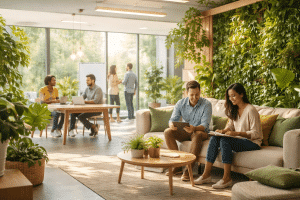
Biophilic design is strongly aligned with WELL and supported within LEED v5 site and occupant experience strategies. Access to nature has measurable benefits for stress reduction, productivity, and overall well-being—making it a high-impact, low-cost intervention.
7. Design for Comfort and Well-Being
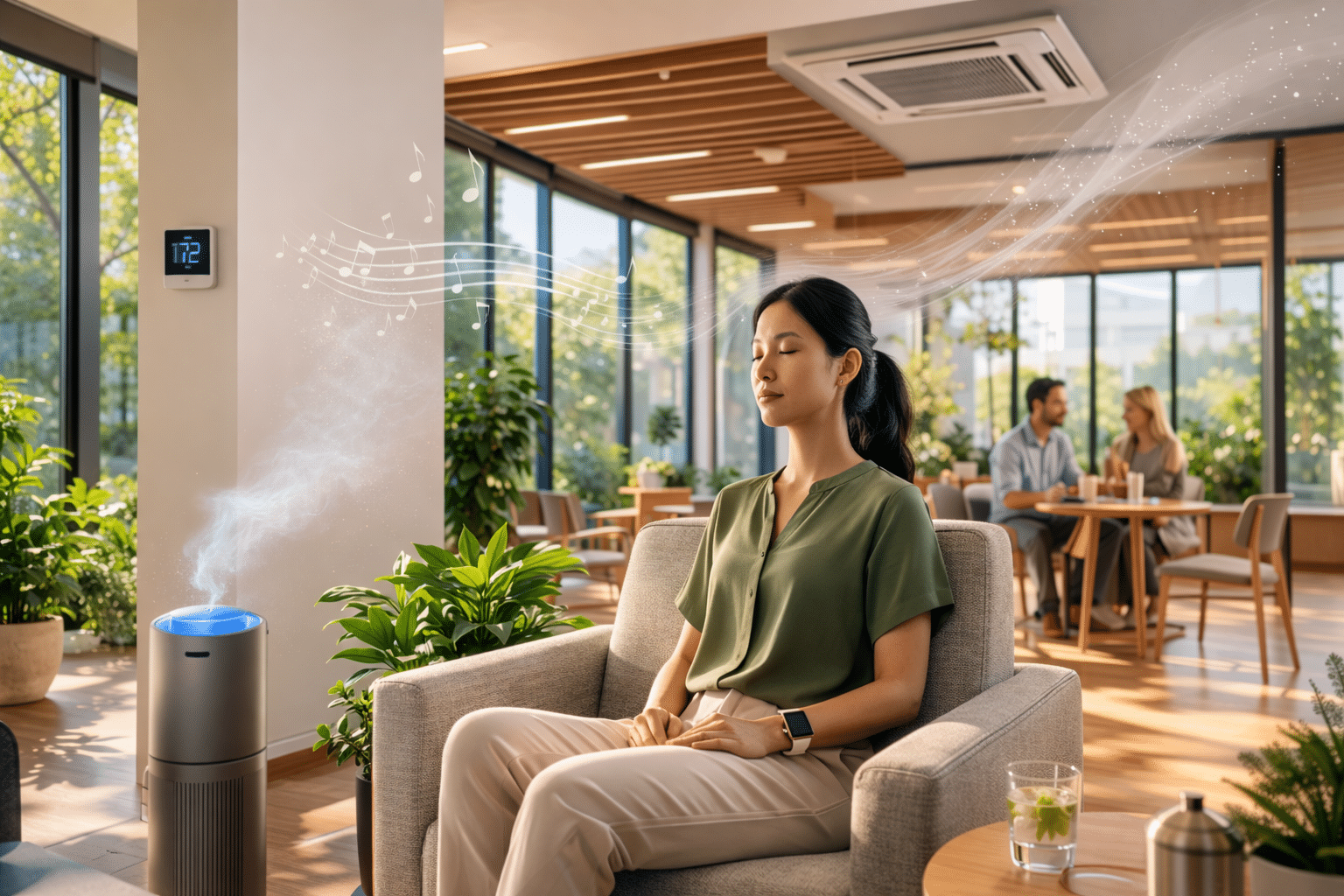
- Improve indoor air quality
- Reduce noise
- Enhance thermal comfort
Healthy spaces create better outcomes.
Why this matters:
LEED v5 integrates health across multiple categories, while WELL focuses deeply on occupant experience. Together, they reinforce that high-performance buildings must support physical and mental well-being—not just energy efficiency.
8. Think About Community Impact
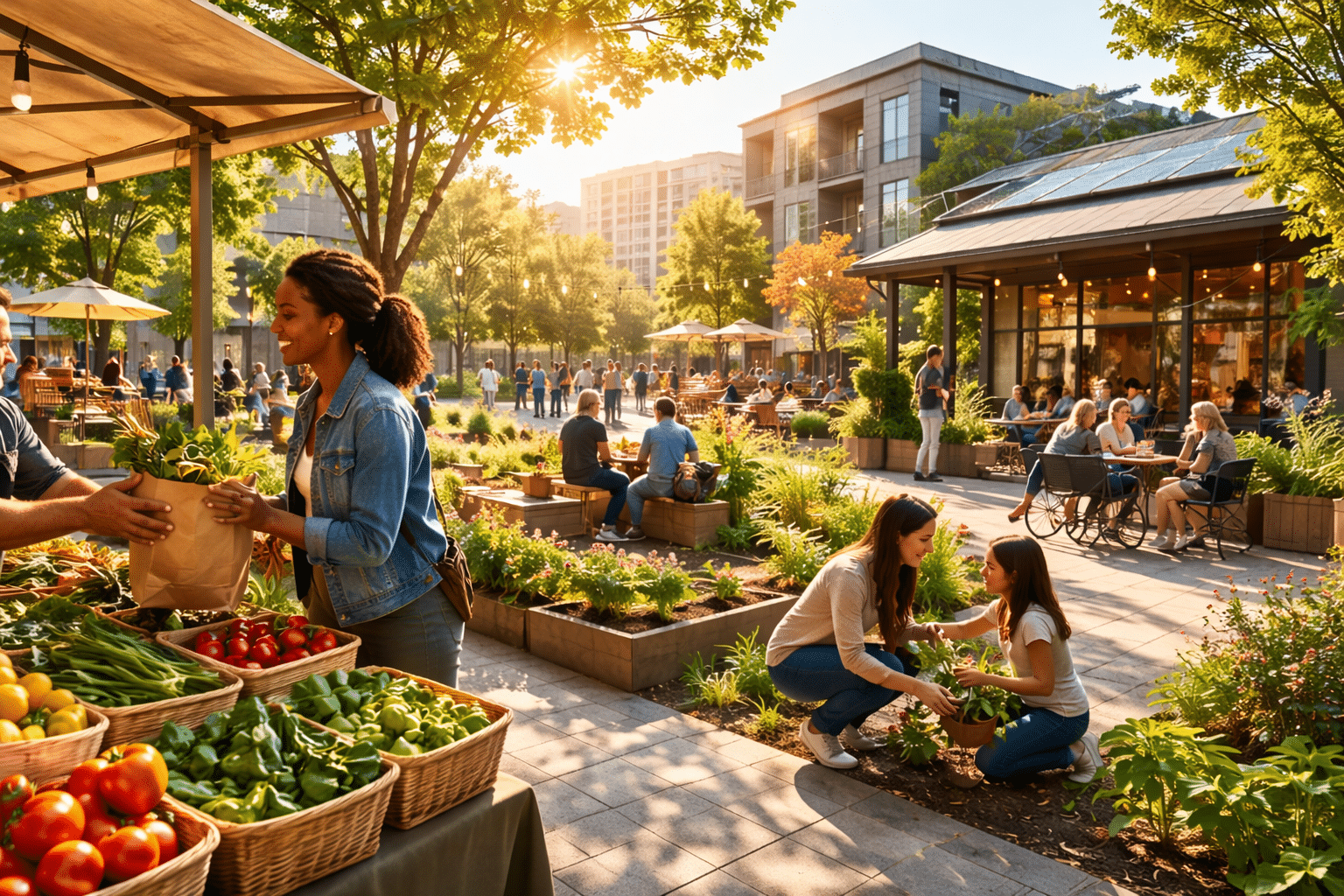
- Support local businesses
• Engage with community spaces
• Advocate for accessible environments
Sustainability is also about who benefits.
Why this matters:
LEED v5 & WELL expands sustainability to include social equity, affordability, and access. Decisions about location, services, and community engagement can create lasting value beyond the project boundary—especially for underserved populations.
9. Reduce Waste and Reuse More
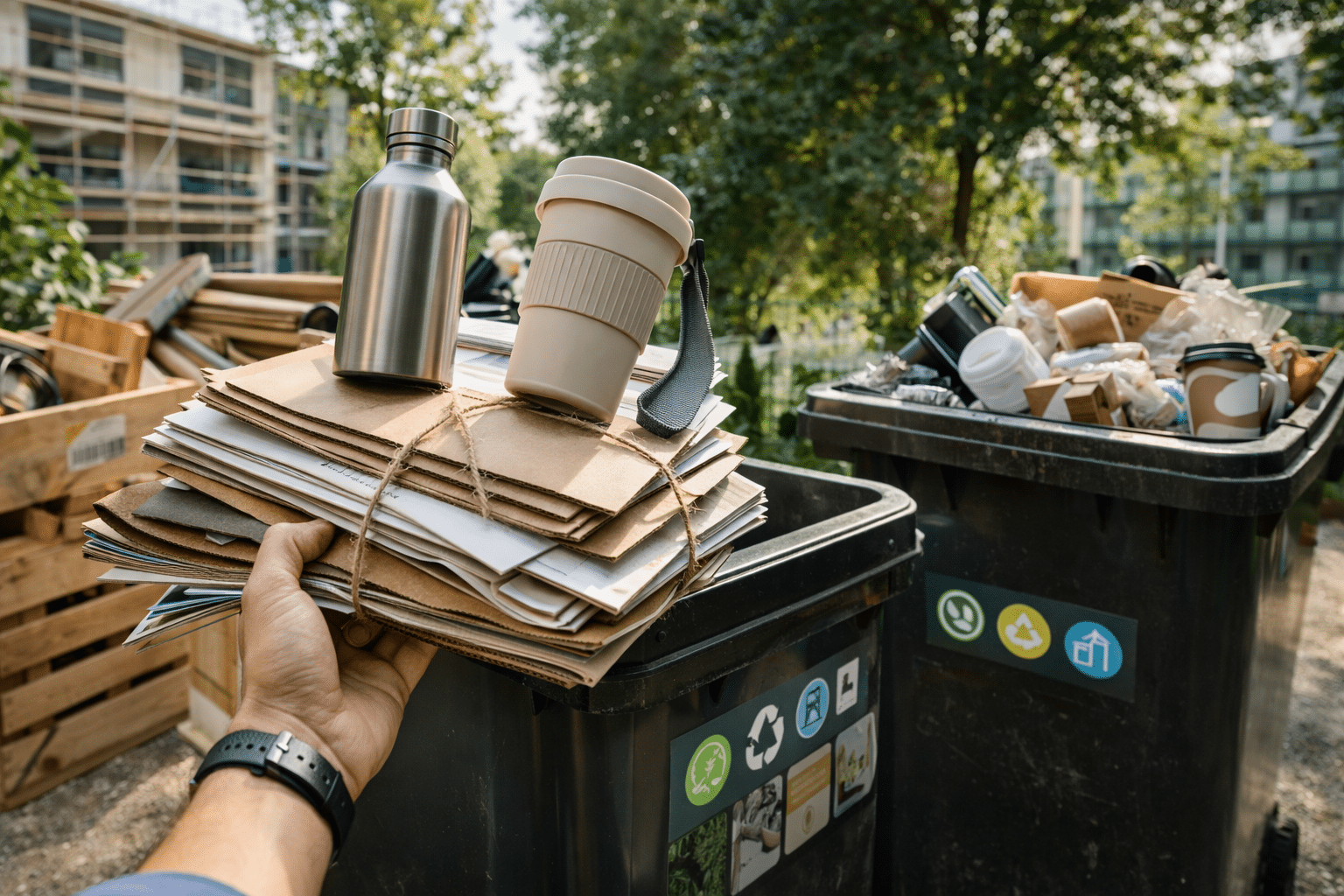
(Circular Economy + MR)
- Avoid single-use materials
• Reuse before recycling
• Think lifecycle, not just disposal
The best waste is the one never created.
Why this matters:
Waste reduction is directly tied to embodied carbon. By reusing materials and designing for circularity, projects can avoid emissions associated with new production while reducing landfill impacts—both key priorities in LEED v5.
10. Start Tracking What Matters
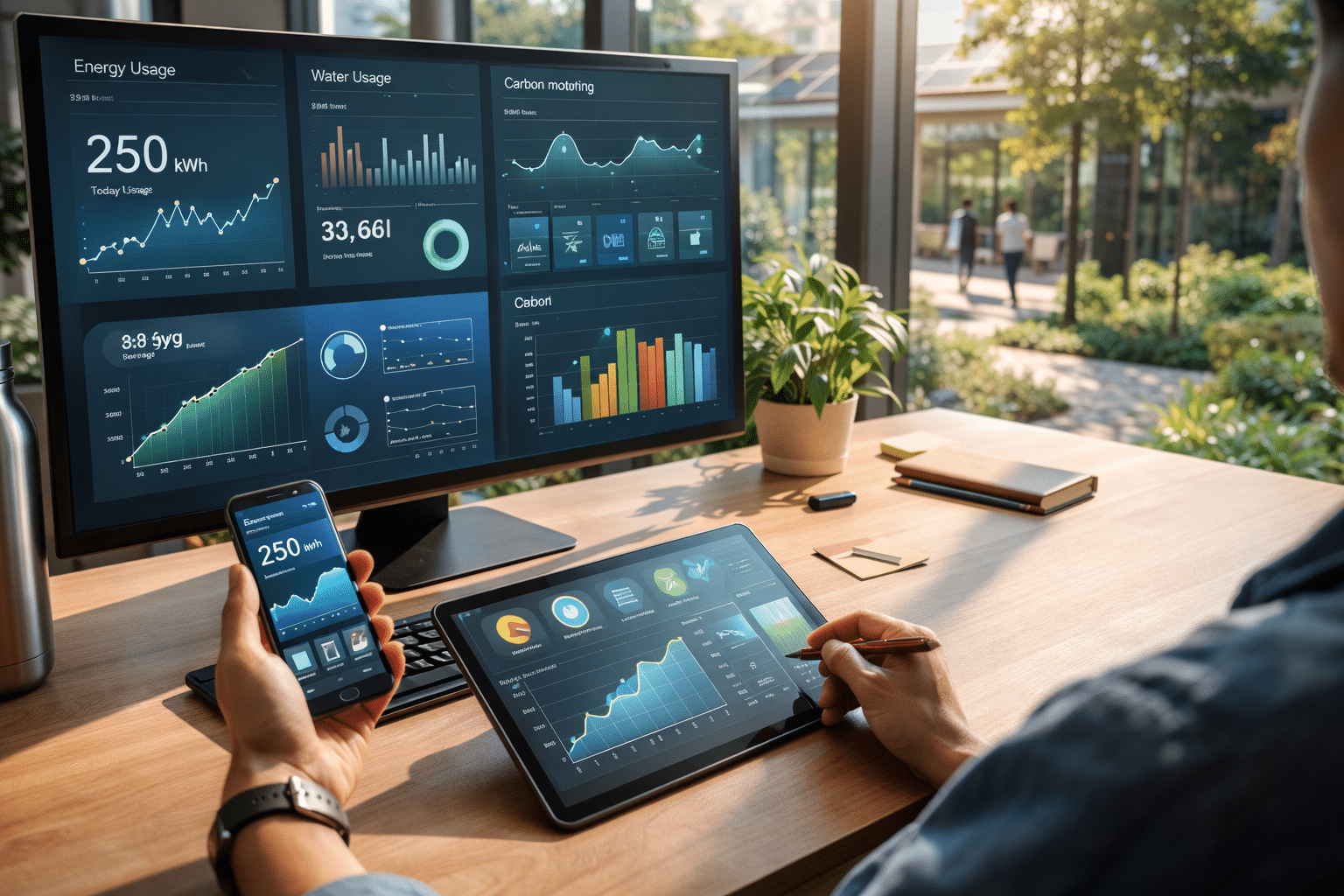
- Track energy use
• Monitor water
• Measure impact
You can’t improve what you don’t measure.
Why this matters:
LEED v5 reinforces performance tracking as a long-term responsibility, not a one-time exercise. Data-driven decision-making allows teams to identify inefficiencies, validate strategies, and continuously improve building performance over time.
🌍 Final Thought
Earth Day is not about doing everything.
It’s about doing something—intentionally.
LEED v5 and WELL give us the frameworks.
But real impact comes from the decisions we make every day.
Want to Go Deeper?
If you’re ready to move from awareness to expertise, explore GBRI’s LEED v5 courses and WELL resources designed to help professionals apply these concepts in real projects.