
Back to Climate Change Ambassador Program
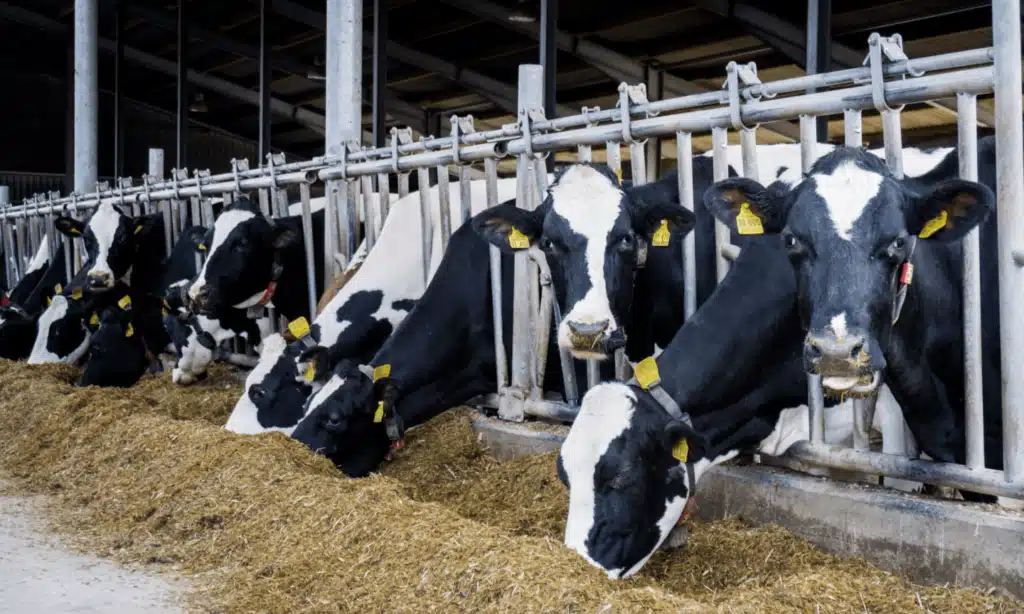
There is a long and growing list of evidence. It tells us that the production of meat is one of the worst offenders for climate change. The livestock industry accounts for almost 15% of our annual global greenhouse gas emissions, as well as causing tropical deforestation and zoonotic disease spread. While plant-based meat companies offer a less harmful alternative, the majority of the public continues to eat regular meat as they prefer the taste and convenience.
However, companies like Mosa Meats and GOOD Meats are offering a potentially world-changing alternative – cultivated meats. These meats, grown in a lab from a half-gram muscle biopsy, are real meat, identical to that of conventional meat. They could potentially feed the entire world and drastically cut our carbon footprint. While these companies are working on perfecting their products, scaling them to size to meet demand, and getting regulatory approvals, they’re attracting major attention from investors and media alike. Could these companies replace the need for meat and fight climate change? Read on the course Holy Cow: Could Cultivated Meat Aid Our Climate Change Issue to find out.
Course Rating: No ratings yet
Total Reviews: 0
Note: Rating is only available after course completion.





Its interesting to note that producing meat accounts for 15% of global gas emissions. That’s pretty huge. And lessening our demand for meat could have a huge impact on the climate. This would be a challenge especially since the global demand for meat is expected to double by 2050. Perhaps moderation is the key for the meat lovers or science to create lab grown meat or beyond meat or a vegetarian diet.
Being a meat lover, this course has changed my perspective!
I do not doubt the fact that the global demand for meat might double up by 2050 as people are not willing to give it up. But this course has encouraged me to at least lessen my consumption till the time science comes up with a better technology!
I am sad to say I had no idea how livestock industry accounts for almost 15% of our annual global greenhouse gas emissions but thanks to this course of GBRI now I know!
It’s interesting to read how cultivated meat can aid our climate change issue and more and more people need to make the switch from regular meat to plant-based meat.
Certainly, in near future the lab grown meat may be in demand and the real livestock maintenance will be cost effective comparatively to the former. Likewise, country-chicken and poultry chicken. Due to the enormous demand globally the poultry chicken is being consumed globally while the former is less available in marker with high cost due to multiple reasons.
Is this course 1 CE or 0.5 CE? The above says 0.5 CE, but the information after the Quiz Results and Certificate of Completion indicate 1.0 CE.
Never thought meat industry could play such big role in producing greenhouse gases. Yes, moderation will be key to reduce these numbers in coming years.