WE: Outdoor Water Use Reduction (Prerequisite + Credit)
Use less water first. Then use smarter water.
🎯 Why This Topic Matters
Outdoor water use is one of the largest sources of potable water consumption in buildings.
👉 LEED focuses on:
Reducing irrigation demand first → then using smarter water sources
🧩 Prerequisite vs Credit (Key Distinction)
📊 Quick Comparison Table (HIGH VALUE FOR USERS)
| Requirement | Prerequisite | Credit |
| Mandatory? | ✅ Yes | ❌ No |
| Points | 0 | Up to 2 points |
| Intent | Reduce outdoor water use | Further reduce outdoor water use |
| Option 1 | No irrigation | Same |
| Option 2 Reduction | ≥30% | ≥50% (1 pt), 100% (2 pts) |
| Use of alternative water | ❌ Not allowed for first 30% | ✅ Allowed beyond 30% |
🎯 Key Insight
Prerequisite = baseline efficiency
Credit = deeper performance
🌿 WE Prerequisite: Outdoor Water Use Reduction
Intent
👉 Reduce outdoor potable water consumption
Compliance Options
✅ Option 1: No Irrigation Required
- No permanent irrigation system
- Allowed only for:
- ≤2-year establishment period
👉 Requires:
- narrative explaining:
- rainfall adequacy
- plant suitability
✅ Option 2: Reduced Irrigation
👉 Must achieve:
👉 ≥30% reduction
(from baseline landscape water requirement)
⚙️ How is this calculated?
Using:
👉 EPA WaterSense Water Budget Tool
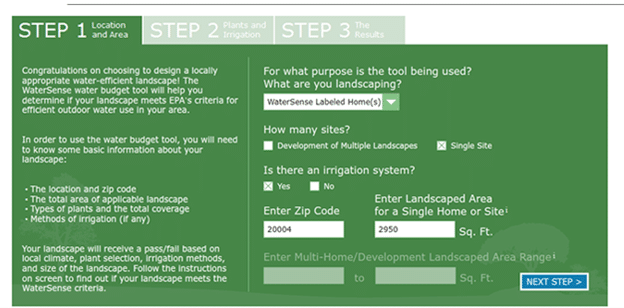
🧮 WaterSense Tool – Key Steps
🔹 Step 1: Climate Data
- input project location (ZIP code)
- tool generates:
- precipitation
- evapotranspiration
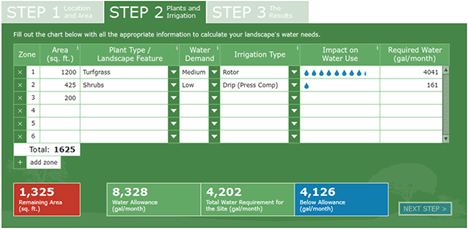
🔹 Step 2: Landscape Inputs
- enter:
- plant types
- landscape areas
⚠️ Important Rule:
👉 Include:
- vegetated areas
👉 Exclude:
- hardscape
- non-irrigated surfaces
- mulched pathways
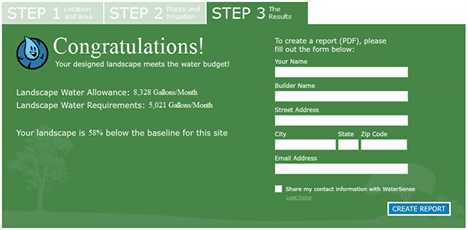
🔹 Step 3: Results
- baseline water use
- design water use
- % reduction
🌱 WE Credit: Outdoor Water Use Reduction
Intent
👉 Same as prerequisite—but with higher performance
Compliance Options
✅ Option 1: No Irrigation Required
Same as prerequisite
👉 Eligible for maximum performance
✅ Option 2: Reduced Irrigation
📏 Thresholds
- 50% reduction → 1 point
- 100% reduction → 2 points
⚠️ Critical Rule (VERY TESTABLE)
👉 First 30% reduction MUST come from:
- plant selection
- irrigation efficiency
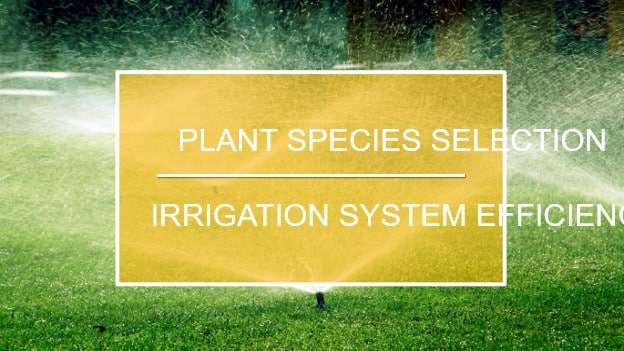
👉 Beyond 30%, you can use:
- alternative water (rainwater, graywater)
- smart controls
- advanced systems
🎯 Exam Insight
LEED = Efficiency First → Then Alternative Water
🌿 Strategies to Achieve This Credit
🌱 1. Native / Adaptive Plants
- require less water
- suited to local climate
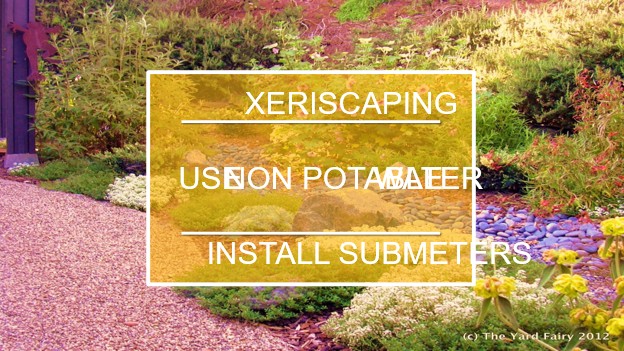
💧 2. Efficient Irrigation Systems
Example:
👉 Drip Irrigation
- low-pressure system
- delivers water directly to roots
- minimizes evaporation
🌵 3. Xeriscaping
👉 Landscaping that:
- requires little to no irrigation
♻️ 4. Alternative Water Sources
- rainwater harvesting
- graywater reuse
- reclaimed water
📊 5. Smart Irrigation Controls
- weather-based controllers
- soil moisture sensors
📈 6. Submetering
- track irrigation use
- identify inefficiencies
🧠 Where People Get Confused
❌ Misconception 1:
“Alternative water helps meet prerequisite”
👉 No
👉 First 30% must be from:
- efficiency + plant selection
❌ Misconception 2:
“Credit and prerequisite are the same”
👉 No
- 30% → prerequisite
- 50–100% → credit
❌ Misconception 3:
“All landscaped areas are included in calculations”
👉 No
👉 Only:
- vegetated areas count
Official FAQs
What is the minimum reduction required for the prerequisite?
What tool is used for calculations?
A project achieves 40% reduction using only efficient irrigation. Does it meet the prerequisite?
A project uses rainwater to achieve the first 30% reduction. Does it comply?
Must use:
• efficiency + plant selection
Why does LEED require efficiency before alternative water?
• reduces overall demand
• ensures long-term sustainability
• avoids over-reliance on systems
Comments
No comments yet. Be the first to post!