

WE: Outdoor Water Use Reduction (Prerequisite + Credit)
Use less water first. Then use smarter water.
🎯 Why This Topic Matters
Outdoor water use is one of the largest sources of potable water consumption in buildings.
👉 LEED focuses on:
Reducing irrigation demand first → then using smarter water sources
🧩 Prerequisite vs Credit (Key Distinction)
📊 Quick Comparison Table (HIGH VALUE FOR USERS)
| Requirement | Prerequisite | Credit |
| Mandatory? | ✅ Yes | ❌ No |
| Points | 0 | Up to 2 points |
| Intent | Reduce outdoor water use | Further reduce outdoor water use |
| Option 1 | No irrigation | Same |
| Option 2 Reduction | ≥30% | ≥50% (1 pt), 100% (2 pts) |
| Use of alternative water | ❌ Not allowed for first 30% | ✅ Allowed beyond 30% |
🎯 Key Insight
Prerequisite = baseline efficiency
Credit = deeper performance
🌿 WE Prerequisite: Outdoor Water Use Reduction
Intent
👉 Reduce outdoor potable water consumption
Compliance Options
✅ Option 1: No Irrigation Required
- No permanent irrigation system
- Allowed only for:
- ≤2-year establishment period
👉 Requires:
- narrative explaining:
- rainfall adequacy
- plant suitability
✅ Option 2: Reduced Irrigation
👉 Must achieve:
👉 ≥30% reduction
(from baseline landscape water requirement)
⚙️ How is this calculated?
Using:
👉 EPA WaterSense Water Budget Tool
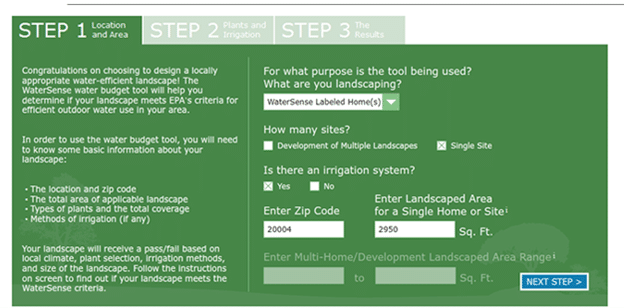
🧮 WaterSense Tool – Key Steps
🔹 Step 1: Climate Data
- input project location (ZIP code)
- tool generates:
- precipitation
- evapotranspiration
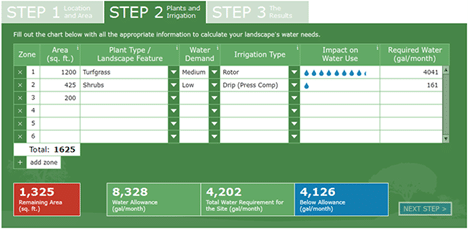
🔹 Step 2: Landscape Inputs
- enter:
- plant types
- landscape areas
⚠️ Important Rule:
👉 Include:
- vegetated areas
👉 Exclude:
- hardscape
- non-irrigated surfaces
- mulched pathways
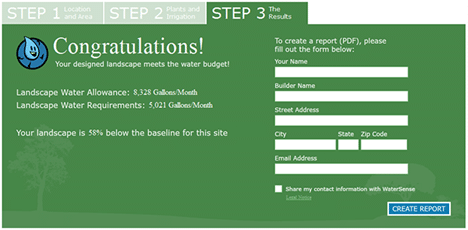
🔹 Step 3: Results
- baseline water use
- design water use
- % reduction
🌱 WE Credit: Outdoor Water Use Reduction
Intent
👉 Same as prerequisite—but with higher performance
Compliance Options
✅ Option 1: No Irrigation Required
Same as prerequisite
👉 Eligible for maximum performance
✅ Option 2: Reduced Irrigation
📏 Thresholds
- 50% reduction → 1 point
- 100% reduction → 2 points
⚠️ Critical Rule (VERY TESTABLE)
👉 First 30% reduction MUST come from:
- plant selection
- irrigation efficiency
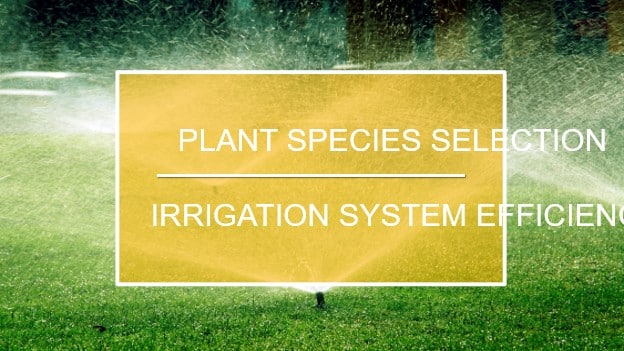
👉 Beyond 30%, you can use:
- alternative water (rainwater, graywater)
- smart controls
- advanced systems
🎯 Exam Insight
LEED = Efficiency First → Then Alternative Water
🌿 Strategies to Achieve This Credit
🌱 1. Native / Adaptive Plants
- require less water
- suited to local climate
💧 2. Efficient Irrigation Systems
Example:
👉 Drip Irrigation
- low-pressure system
- delivers water directly to roots
- minimizes evaporation
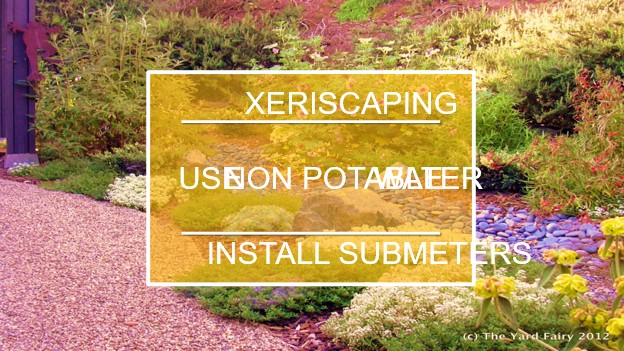
🌵 3. Xeriscaping
👉 Landscaping that:
- requires little to no irrigation
♻️ 4. Alternative Water Sources
- rainwater harvesting
- graywater reuse
- reclaimed water
📊 5. Smart Irrigation Controls
- weather-based controllers
- soil moisture sensors
📈 6. Submetering
- track irrigation use
- identify inefficiencies
🧠 Where People Get Confused
❌ Misconception 1:
“Alternative water helps meet prerequisite”
👉 No
👉 First 30% must be from:
- efficiency + plant selection
❌ Misconception 2:
“Credit and prerequisite are the same”
👉 No
- 30% → prerequisite
- 50–100% → credit
❌ Misconception 3:
“All landscaped areas are included in calculations”
👉 No
👉 Only:
- vegetated areas count
Official FAQs
What is the minimum reduction required for the prerequisite?
What tool is used for calculations?
A project achieves 40% reduction using only efficient irrigation. Does it meet the prerequisite?
A project uses rainwater to achieve the first 30% reduction. Does it comply?
Must use:
• efficiency + plant selection
Why does LEED require efficiency before alternative water?
• reduces overall demand
• ensures long-term sustainability
• avoids over-reliance on systems
Comments
Thank you so much for sharing your experience! It’s wonderful to hear that the Outdoor Water Use Reduction strategies connected with something you’ve already experienced firsthand. Choosing native plants is such a practical way to reduce water use, and the added benefit of attracting local wildlife really shows how sustainable landscaping can support both people and the surrounding ecosystem.
We’re also glad you found the irrigation strategies useful. Small decisions about plant selection, irrigation efficiency, and landscape design can make a meaningful difference in long-term water conservation.
Thank you again for taking the time to share your thoughts and for being part of the GBRI learning community. We hope you’ll be able to put even more of these ideas into practice in your future gardening and landscaping projects! 🌱
I really enjoyed reading about the Outdoor Water Use Reduction strategies! It reminded me of when I helped my friend landscape their backyard. We used native plants that required less water, and it not only saved on our water bill but also brought in a lot of local wildlife. I love how these sustainable practices can create such a positive impact both environmentally and aesthetically! Your tips on irrigation systems were super helpful too—definitely adding those to my future gardening plans. Thanks for sharing this valuable Snow Rider 3D info!


I really enjoyed reading about the Outdoor Water Use Reduction strategies! It reminded me of when I helped my friend landscape their backyard. We used native plants that required less water, and it not only saved on our water bill but also brought in a lot of local wildlife. I love how these sustainable practices can create such a positive impact both environmentally and aesthetically! Your tips on irrigation systems were super helpful too—definitely adding those to my future gardening plans. Thanks for sharing this valuable Snow Rider 3D info!
Thank you so much for sharing your experience! It’s wonderful to hear that the Outdoor Water Use Reduction strategies connected with something you’ve already experienced firsthand. Choosing native plants is such a practical way to reduce water use, and the added benefit of attracting local wildlife really shows how sustainable landscaping can support both people and the surrounding ecosystem.
We’re also glad you found the irrigation strategies useful. Small decisions about plant selection, irrigation efficiency, and landscape design can make a meaningful difference in long-term water conservation.
Thank you again for taking the time to share your thoughts and for being part of the GBRI learning community. We hope you’ll be able to put even more of these ideas into practice in your future gardening and landscaping projects! 🌱