SS Credit: Open Space
Open space is not about how much land is left—it’s about how well it is used.
What is the Intent of this Credit?
The goal is to:
👉 create accessible outdoor space that:
- encourages interaction with nature
- supports social interaction
- promotes physical activity
🎯 Big Picture
Open space is not leftover space—it is intentional, usable space.
🌍 Why This Matters
Open spaces provide:
👥 Human Benefits
- improved well-being
- increased productivity
- opportunities for recreation
🌱 Environmental Benefits
- habitat creation
- urban biodiversity
- rainwater infiltration
- reduced heat island effect
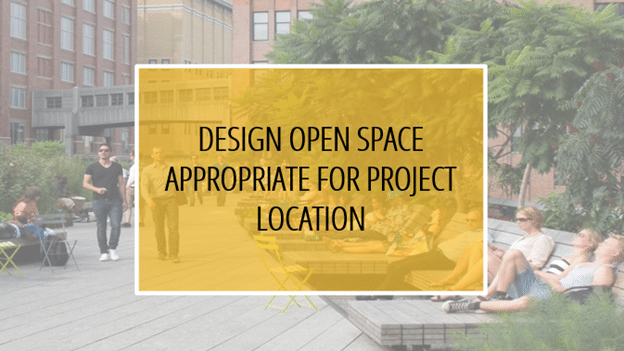
📏 Core Requirement (VERY IMPORTANT)
✅ Total Open Space Requirement
👉 Provide:
👉 ≥30% of total site area
(including building footprint)
🌿 Vegetation Requirement
👉 Of that open space:
👉 ≥25% must be vegetated OR have canopy
⚠️ Important Rule
👉 Turf grass does NOT count as vegetation
🎯 Memory Trick
- 30% = total open space
- 25% = vegetated portion
📍 Where Can Open Space Be Located?
👉 Open space can be:
- adjacent to building
- elsewhere on site (master plan)
- shared across development
💡 Shared Space Insight
👉 Shared open space:
- can count toward compliance
- must still meet usability criteria
Official FAQs
What percentage of total site area must be open space?
👉 30%
What percentage of open space must be vegetated?
👉 25%
A project provides 30% open space, but only 10% is vegetated. Does it comply?
No.
👉 Must meet both:
• 30% open space
• 25% vegetated portion
👉 Must meet both:
• 30% open space
• 25% vegetated portion
A project provides rooftop open space that is not accessible. Does it count?
No.
👉 Must be physically accessible
👉 Must be physically accessible
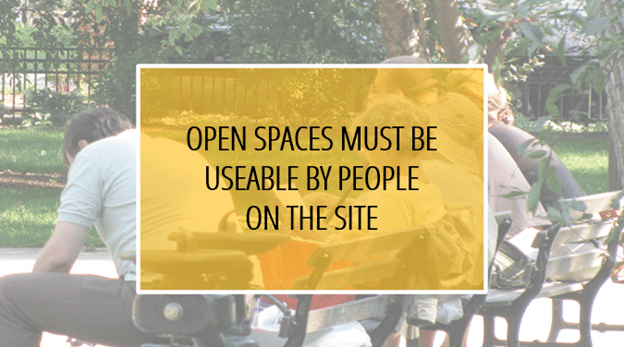
Why does LEED require open space to be usable, not just available?
Because:
• usability drives human interaction
• improves well-being and activity
• ensures real benefit, not just compliance
• usability drives human interaction
• improves well-being and activity
• ensures real benefit, not just compliance
Why does LEED exclude turf grass from vegetation calculations?
Because:
• turf provides limited ecological value
• requires high maintenance (water, chemicals)
• does not significantly support biodiversity
• turf provides limited ecological value
• requires high maintenance (water, chemicals)
• does not significantly support biodiversity
Comments
No comments yet. Be the first to post!