LT Credit: High-Priority Site
High-priority sites are not just about location—they’re about impact: restoring, revitalizing, and reusing land that needs attention.
What is the Intent of this Credit?
The goal is to:
👉 encourage development in high-priority areas
👉 revitalize communities and reduce environmental impact
💡 Why This Matters
Many sites already have:
- existing infrastructure
- historical or cultural value
- environmental challenges (like contamination)
👉 Redeveloping these sites is better than building on greenfields
🧩 Three Compliance Options
🏛️ Option 1: Historic District + Infill Site
Requirement
👉 Locate the project:
- within a historic district
- AND on an infill site
❓ What is an Infill Site? (VERY IMPORTANT)
👉 A site where:
- ≥75% of land area
- within ½ mile (800 m) of project boundary
- is previously developed
⚠️ Critical Clarification
- Roads / rights-of-way → ❌ NOT counted
- What matters → land beyond the road
🎯 Exam Must-Know
75% + ½ mile = Infill Site
💡 Why LEED rewards this:
- strengthens existing communities
- reduces sprawl
- supports historic preservation
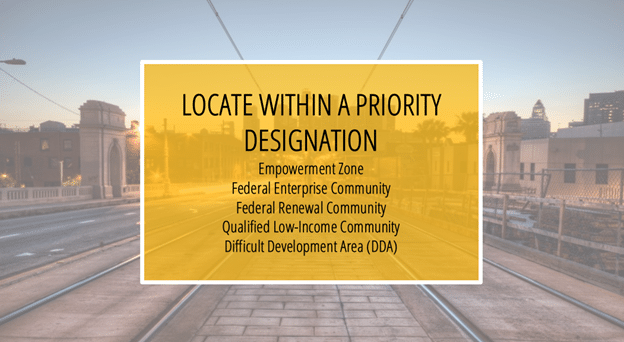
🌆 Option 2: Priority / Economically Distressed Areas
Requirement
👉 Locate the project in a qualified high-priority area
✅ Examples (You don’t need to memorize all, but recognize types)
- EPA National Priorities List
- Federal Empowerment Zone
- Enterprise Community
- Renewal Community
- Low-Income Community (Treasury CDFI Fund)
- HUD Qualified Census Tract or DDA
- International equivalent programs
🎯 Exam Insight
This option is about:
👉 economic + social revitalization
☣️ Option 3: Brownfield Redevelopment
Requirement
👉 Locate the project on a:
👉 Brownfield site with contamination AND required remediation
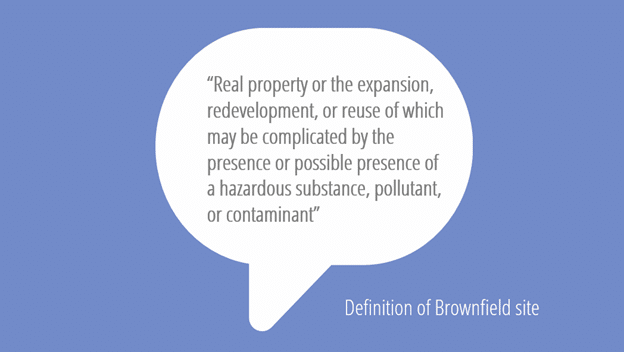
❓ What is a Brownfield?
👉 A site where:
- redevelopment is complicated by
- presence or potential presence of contamination
⚠️ Key Requirement
👉 Contamination must be:
- in soil or groundwater
- AND identified by authority having jurisdiction
🔬 How is Contamination Identified? (HIGH PROBABILITY QUESTION)
- Phase I Environmental Site Assessment
- Phase II Environmental Site Assessment
- Local equivalent
- Environmental expert evaluation
❗ Important Limitation
👉 This credit applies ONLY to:
- soil contamination
- groundwater contamination
🚫 What Does NOT Count
- asbestos in buildings
- interior hazardous materials
- demolition debris
👉 These are NOT valid for this credit
🎯 Exam Trap
“Contamination inside building = qualifies”
👉 ❌ Incorrect
🏗️ Remediation Requirement
If NOT yet remediated:
👉 Project must:
- obtain confirmation from authority
- follow required remediation plan
- complete remediation to their satisfaction
If ALREADY remediated:
👉 Can still qualify if:
- proper documentation is provided
⚠️ Critical Rule (Very Testable)
👉 If ANY part of the site is contaminated:
➡️ Entire LEED project boundary = considered contaminated
🧠 Where People Get Confused
❌ Misconception 1:
“Any contaminated site qualifies”
👉 No
Must be:
- soil or groundwater contamination
- officially recognized
- remediation required
❌ Misconception 2:
“Interior contamination counts”
👉 No
Only soil + groundwater qualify
❌ Misconception 3:
“Infill just means urban site”
👉 No
Must meet:
- 75% previously developed
- within ½ mile
Official FAQs
What are the three options under High-Priority Site?
2. Priority/economically distressed area
3. Brownfield redevelopment
What defines an infill site?
• ≥75% of surrounding land
• within ½ mile
• is previously developed
A project is located in a historic district but does not meet the infill definition. Does it qualify under Option 1?
👉 BOTH conditions are required:
• historic district
• infill site
A project site has asbestos in an existing building but no soil contamination. Can it qualify as a brownfield?
👉 Only soil or groundwater contamination qualifies
A project has minor soil contamination in one portion of the site. How is the site treated under LEED?
A project is located in a low-income designated area but not on a brownfield or historic site. Can it still earn this credit?
👉 It can qualify under Option 2
Comments
No comments yet. Be the first to post!