
SS Credit: Site Development – Protect or Restore Habitat
Protect what remains. Restore what was lost.
What is the Intent of this Credit?
The goal is to:
👉 protect existing natural areas
👉 restore damaged areas
👉 promote biodiversity and habitat
🎯 Big Picture
Development should not eliminate nature—it should preserve and rebuild it.
🌍 Why This Matters
Construction can:
- disturb ecosystems
- destroy habitats
- reduce biodiversity
- alter natural hydrology
👉 This credit ensures projects:
- minimize damage
- actively restore ecological value
🧩 Core Requirement Structure
✅ Step 1: Protect Greenfield Areas (MANDATORY)
👉 Projects must:
👉 protect 40% of greenfield area
from:
- development
- construction disturbance
❓ What is Greenfield?
👉 Land that is:
- not previously developed
- not disturbed or graded
- capable of supporting natural habitat
🎯 Exam Insight
Greenfield = natural land
Must protect 40%
✅ Step 2: Choose ONE of Two Options
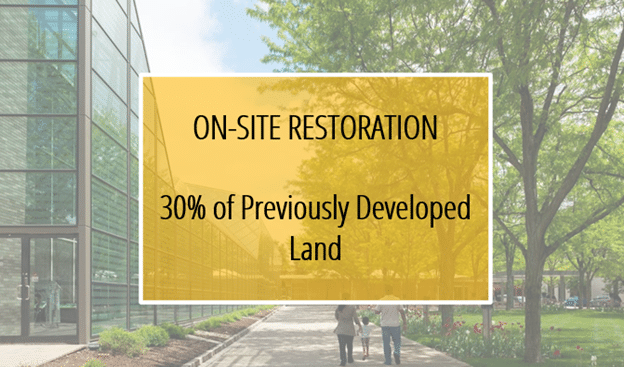
🌱 Option 1: On-Site Restoration (Preferred)
Requirement
👉 Restore:
👉 30% of previously developed site area
⚠️ Important:
- includes building footprint
- must use native or adapted vegetation
🌿 Why Native/Adapted Plants?
- support local ecosystems
- require less maintenance
- improve biodiversity
🏢 Special Allowance (High-Density Projects)
If:
👉 FAR ≥ 1.5
Then:
👉 vegetated roofs can count
⚠️ Conditions:
- must use native/adapted plants
- must provide habitat
- must promote biodiversity
💧 Rainwater Management Overlap (Important)
👉 Areas used for:
- stormwater infiltration
👉 Can be excluded if:
- treated under Rainwater Management credit
🌍 What Counts as Habitat (Important Clarification)
Even if not vegetated:
👉 These CAN count:
- natural rock areas
- ponds
- deserts
❗ Condition:
👉 Must prove they are:
- naturally non-vegetated
🛠️ Implementation Steps
- plan early (design phase)
- include in construction documents
- protect during construction
🌎 Option 2: Off-Site Conservation
When to Use This
👉 If on-site restoration is not feasible
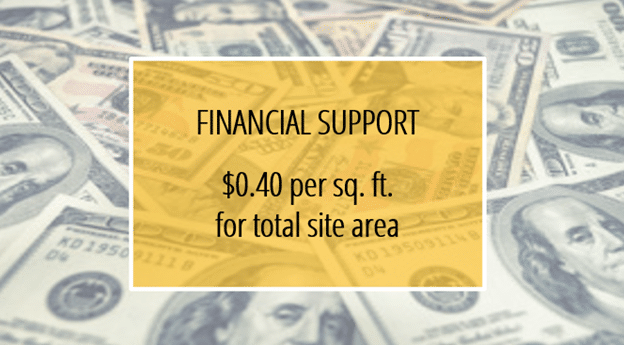
Requirement
👉 Provide financial support:
👉 $0.40 per square foot of total site area
(including building footprint)
📍 Where Must Funds Go?
To a:
- recognized land trust
- conservation organization
📏 Location Requirement
Must be:
- within same EPA Level III ecoregion
- OR same state
- OR within 100 miles (outside U.S.)
🇺🇸 U.S. Requirement (Important)
👉 Organization must be:
👉 accredited by the Land Trust Alliance
🧠 Where People Get Confused
❌ Misconception 1:
“Only restoration is required”
👉 No
👉 Must ALSO:
- protect 40% of greenfield
❌ Misconception 2:
“Greenfield and previously developed are the same”
👉 No
- Greenfield → untouched land
- Previously developed → disturbed land
❌ Misconception 3:
“Any vegetation counts”
👉 No
👉 Must be:
- native OR adapted
❌ Misconception 4:
“Off-site option is easier and always allowed”
👉 Only when:
- on-site restoration is not feasible
Official FAQs
What percentage of greenfield area must be protected?
What percentage of previously developed land must be restored (Option 1)?
A project restores 30% of site area but does not protect any greenfield. Does it comply?
👉 Protection of 40% greenfield is mandatory
A project uses non-native decorative plants for restoration. Does it comply?
👉 Must use native or adapted vegetation
Why does LEED require both protection and restoration?
• protection preserves existing ecosystems
• restoration improves degraded ecosystems
👉 Together, they maximize ecological benefit
A dense urban project cannot restore large areas on-site. What is the best approach?
Comments
No comments yet. Be the first to post!